North Carolina’s booming economy and rapidly growing cities make it an ideal place to launch a vending machine business. The state’s 10.8 million residents, strong tech and manufacturing sectors (especially in the Triangle and Charlotte) generate steady foot traffic in offices, hospitals, schools, and transit hubs. Start-up costs can be surprisingly low: most operators report launching with roughly $2,000–$10,000 in capital. With the right preparation and strategy, entrepreneurs in Raleigh and beyond can tap into this market by stocking machines with popular snacks, beverages, and even specialty items to meet local demand.
Why North Carolina Is a Strong Market
North Carolina consistently ranks among the top business-friendly states, attracting major employers and workforce growth. The Research Triangle (Raleigh–Durham–Chapel Hill) hosts companies like IBM, Cisco and Red Hat, while Charlotte is home to major banks and financial firms. These workplaces create captive vending audiences. In Raleigh specifically, tech campuses, hospitals (e.g. WakeMed), universities and corporate centers drive demand for 24/7 snack and coffee solutions. Consumers here expect modern conveniences: many operators report success by offering cashless payment and a mix of healthier and traditional products. In cities like Raleigh, Cary, and Wilmington, strong infrastructure and a warm climate (boosting year-round beverage sales) further support growth of vending services.
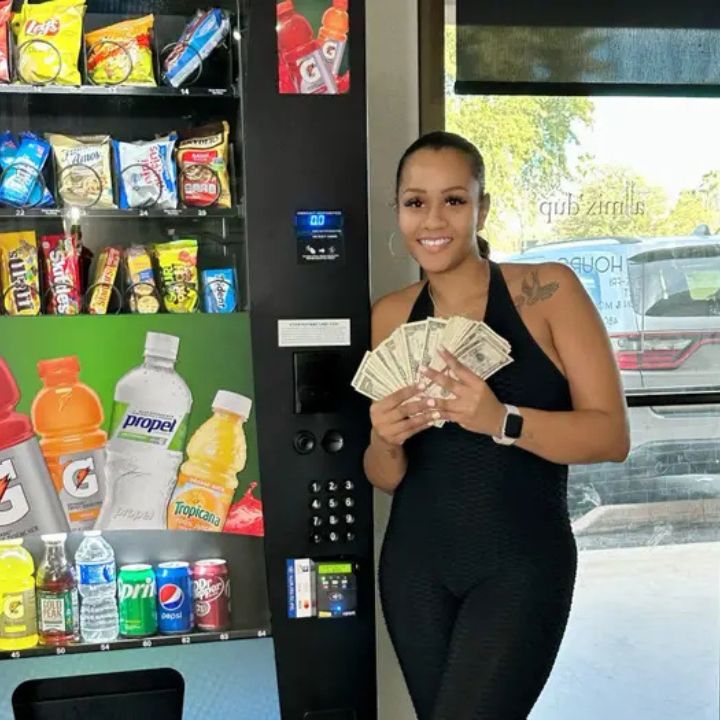
Modern vending machines can offer a wide variety of products – from soft drinks and snacks to coffee and cold meals – to suit local tastes. The Raleigh area market demands such diverse, high-quality vending solutions.
Legal and Regulatory Requirements in North Carolina
Even though vending machines operate automatically, you must still follow state and local regulations. First, register a legal business entity with the NC Secretary of State (typically an LLC or corporation). This protects your personal assets and establishes credibility. Next, get an Employer Identification Number (EIN) from the IRS and open a dedicated business bank account to handle revenues and taxes.
All North Carolina retailers (including vending operators) must collect and remit sales tax. You’ll pay 4.75% state sales tax plus any local tax (up to ~2.75%), for a typical combined rate around 6.75–7.5%. Most vending food and drink items are taxable. Apply for a North Carolina sales tax permit with the NC Department of Revenue (Form NC-BR) and carry a resale certificate.
North Carolina does not require a special “vending machine operator license” or individual machine registration. However, if your machines dispense perishable or potentially hazardous foods, you’ll need a food establishment permit through NC’s health department (following the FDA Food Code). For example, any fresh foods or micro-market cabinets typically require annual health inspections. Also verify that all machines meet ADA accessibility standards for reach and controls.
Local rules can vary. Notably, the City of Raleigh does not require a general business license to operate within city limits. You should still check Wake County regulations: for food items, Wake County Health may issue local permits or conduct inspections. Confirm any required building or zoning permits for installations, especially in schools, hospitals or government buildings. In summary: register your business (LLC or corporation), obtain your NC sales tax permit, and address any health or zoning requirements – and you’ll meet the core legal needs for operating in North Carolina.
Choosing Machines, Products, and Locations
Successful vending businesses choose the right machine types and products for their locations. Traditional snack and soda machines are the foundation; they have broad appeal and proven supply chains. Beverage machines in particular tend to generate the most revenue per machine. Target settings with consistent foot traffic and few nearby food options: offices, factories, apartments, schools and hospitals are ideal. Start with one or two product categories (e.g. drinks and chips) to simplify operations, then expand offerings once you understand local tastes.
Other models can add revenue or fill niches. Bulk vending (gumballs, small toys) has very low costs and maintenance – good for family-focused spots like laundromats or grocery entrances. Specialty machines (premium coffee, PPE, electronics accessories) can command higher prices and serve underserved needs – for example, a coffee machine in a building with no breakroom café. Micro-markets (self-service mini stores) use glass-door coolers and checkout kiosks to maximize sales of lunch items and snacks; they can yield extremely high monthly sales at the right high-traffic location.
Once you’ve chosen a machine and product mix, secure locations carefully. In fact, experienced owners emphasize finding a place before buying a machine. Drive to potential sites and speak with property or office managers in person. Explain the benefits: you handle installation, stocking, maintenance and updates at no cost or hassle to them. Many customers are swayed by flexible terms (no long contract) and free installation. Be ready with a simple handout or one-page pitch about your service. As one industry expert notes, operators should say: “We manage everything and there’s no cost to you”.
Tech campuses and office parks in Raleigh and other NC cities provide ample vending opportunities. Thrive in these locations by using modern machines (cashless payment, digital inventory tracking) and keeping machines well-stocked and functioning.
Finally, install cashless payment systems on all machines. Studies show adding card readers can boost sales 30% or more, since customers spend freely without needing cash. Keep track of sales data carefully: note which items sell fast and which underperform. You’ll adjust product mix and pricing based on real results, learning as you go. Use your first machine as a “learning lab” – visit often, solve issues quickly, and survey users about what they want.
Maintaining and Scaling Your Vending Operation
To keep customers happy and profits growing, maintain machines regularly. Typically, busy locations require restocking every week or two. Some operators use remote monitoring (telemetry or smart sensors) to check inventory and machine status in real-time, so you only service machines when needed. When problems arise (jammed coils, payment errors), respond quickly – aim for service calls within 24–48 hours as Vending Exchange notes their providers do. Many machine providers now include service and repairs in their service package at no extra charge, but if you’re independent, consider partnering with a local repair tech (like the experts at Vending Raleigh) to ensure prompt fixes.
As your business grows, use data and systems to stay efficient. Typical vending machines generate about $150–$400 in gross sales per month. After costs (inventory, commissions, fuel, maintenance), net profit per machine is roughly 25–35%. In practical terms, that’s around $40–$120 take-home per machine per month on average. The more machines you run, the more you’ll need to track performance. Successful operators use software (e.g. VendSoft) to monitor each machine’s sales, plan optimal restocking routes, and identify underperforming machines. This analytics-driven approach cuts wasted time and maximizes every route’s revenue.
Building a larger route (10, 25 or more machines) transforms vending from a side hustle into a substantial business. At scale, you’ll manage bulk purchasing, possibly storage space, and employees or contractors for deliveries. It then becomes a logistics operation where tracking sales, shrinkage and commissions is key. However, even at just a few machines, focusing on location quality, product mix, and reliable service sets the foundation for steady growth.
Frequently Asked Questions (FAQs)
Q: What are the essential steps to start a vending machine business in North Carolina?
A: First, form a legal business entity (most vending entrepreneurs choose an LLC) to separate personal and business finances. Obtain an EIN from the IRS and open a dedicated bank account. Next, register with the NC Department of Revenue for a sales tax permit (Form NC-BR) since vending sales are taxable. If you plan to sell perishable foods or drinks, secure any required health permits from local authorities. Then focus on securing good locations: visit businesses and offer a no-cost, fully serviced vending solution. Finally, purchase or lease your machines (often buying used models saves money) and stock them with popular local products.
Q: Are there special licenses required for vending machines in North Carolina or Raleigh?
A: North Carolina does not issue a vending-specific operator license. You simply need to register your business entity with the Secretary of State. The City of Raleigh does not require a general business license for vending operations. However, always check zoning rules for your chosen locations, and get any necessary permits. If you sell food or drink, Wake County health may require a permit or inspection. In short, no special state vending license is needed, but compliance (business registration, tax permit, health permits) is mandatory.
Q: What sales tax rate applies to vending machine sales in North Carolina?
A: Vending machine sales are subject to North Carolina’s general sales tax. You must collect 4.75% state sales tax plus any local sales tax (counties add roughly 2–2.75%). So total tax is usually between 6.75% and 7.5%. Most snack and drink items are taxable. You need to register for a sales tax account with the NC Department of Revenue and file returns, typically monthly.
Q: How much does it cost to start a small vending machine business in NC?
A: Startup costs vary, but many sources estimate $2,000–$10,000 to launch a basic route. Costs include buying one or a few used machines (often $1,000–$3,000 each depending on age and features), initial inventory, business registration fees (~$125 for an LLC), and any necessary permits. You can reduce costs by starting with one machine to learn the ropes. Over time, profits from your first machines can help finance additional units.
Q: Which locations in North Carolina yield the highest vending sales?
A: The most successful vending locations have steady, repeat traffic and limited alternative food options. Offices, factories, schools, apartment complexes, hospitals, and transportation hubs (malls, transit stations) are classic examples. In Raleigh’s tech and office parks, machines in break rooms or lobbies do well. Also consider underserved areas: for example, a vending machine near a 24/7 convenience store can capture late-night customers. Before committing, visit the site to see if an existing machine is used. A poorly maintained machine at a busy site might signal opportunity.
Q: How profitable can a vending machine business be?
A: Profit varies widely by location and management. Industry data suggests a typical machine makes $150–$400 gross sales per month. After paying for stock, location commissions (if any), and maintenance, the average net profit per machine is about 25–35%. For example, 10 well-placed machines might net $500–$1,200 in profit each month. Key factors are choosing high-traffic spots, stocking desirable products, and minimizing downtime. Over time, building a reliable route and using data tools can significantly increase your take-home by optimizing routes and product mix.
Q: Do location owners charge for placing vending machines, or do they pay the operator?
A: It depends on the business model. Many businesses allow vending machines at zero cost in exchange for a commission on sales. Typical commission rates range from 10% to 20% of gross sales. For sites with high revenue potential, you might negotiate a flat rental fee instead. Be sure to have a clear placement agreement. Emphasize to the location that you will handle all maintenance and restocking with no disruption, which is often enough incentive for them to agree.
Q: How can I increase sales in my vending machines?
A: Keep machines stocked with fresh, popular items – rotate new products to see what sells. Offering a mix of healthy snacks and indulgences caters to more customers. Ensure machines accept cards or mobile payments (cashless), since people spend more when not limited to cash. Place machines in well-lit, accessible spots and maintain them regularly so they never appear empty or broken. Finally, gather feedback and use sales data: if certain items sit unsold, try alternatives that better match local tastes.